Hoarding Cleanup
Hoarding cleanup combines respectful sorting, removal and deep cleaning.
See hoarding cleanupRemove animal waste, urine-soaked materials, contaminated clutter and ammonia odor from a home or rental in Donly Heights. Personal property is sorted before affected surfaces are cleaned.
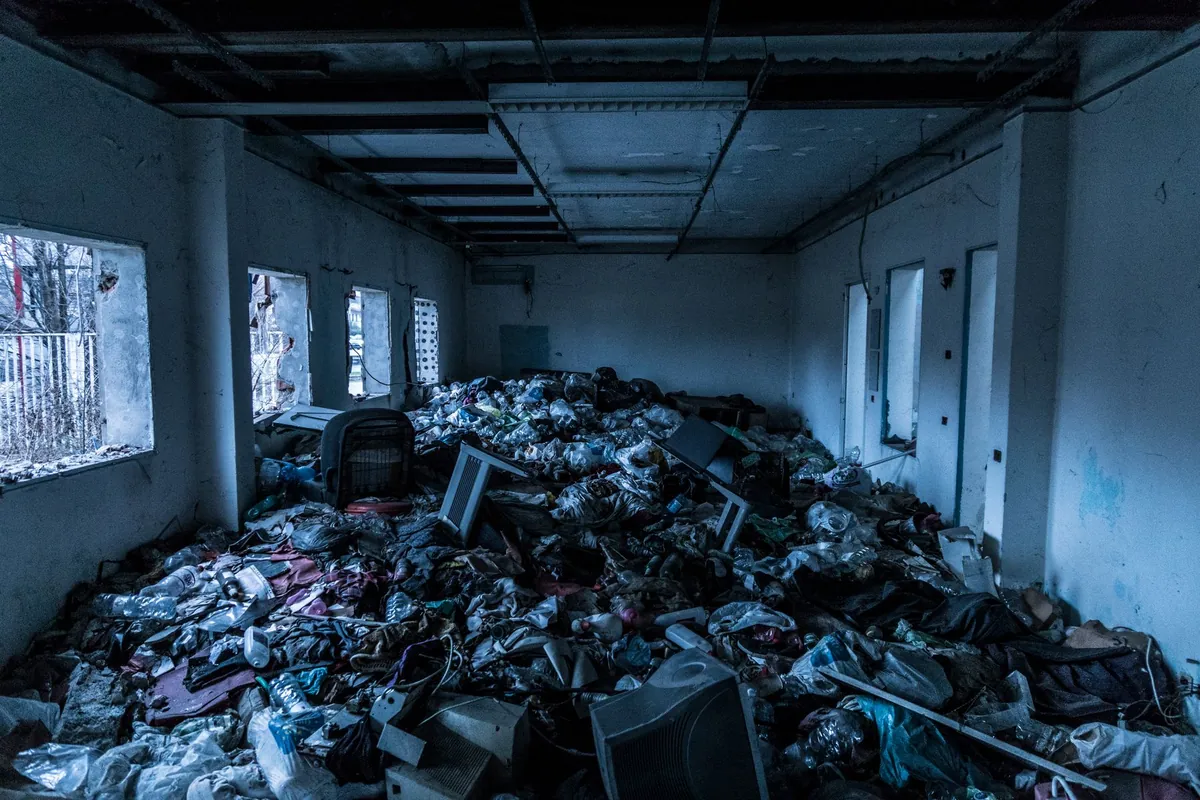
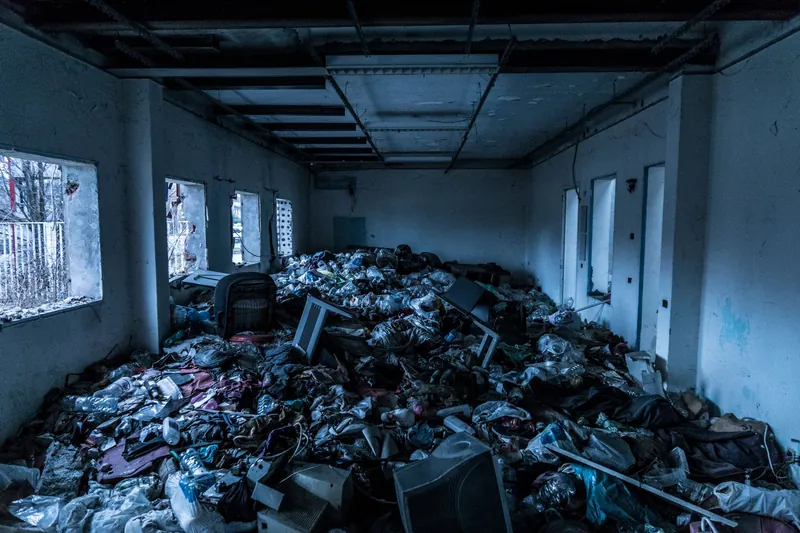
Animal hoarding cleanup removes accumulated feces, urine, contaminated clutter and damaged porous materials, then cleans and disinfects exposed surfaces and treats odor at its source.
The responsible person or agency must first secure or remove every living animal. Cleanup personnel are not responsible for determining legal custody, ownership or veterinary care. Their work centers on restoring access to affected areas, distinguishing personal belongings from waste and dealing with remaining contamination.
One room might require waste disposal while another needs hoarding cleaning, biohazard remediation or restoration work. Cleaning may be possible for hard, non-porous belongings. Urine or feces that has soaked through could require removal of carpeting, padding, cabinets, insulation, drywall or subfloor. What lies under the accumulated material determines the job's scope, not merely the conditions visible upon entry.
Your input guides every personal property decision. Papers of importance, photos, medicine and undecided items are sorted into a safe area prior to removal of approved contents.
The plan separates sorting, removal, cleaning, disinfection, odor work and restoration so you can understand every step and the cost factors tied to it. The detailed scope helps you judge whether the cleanup approach suits the property.
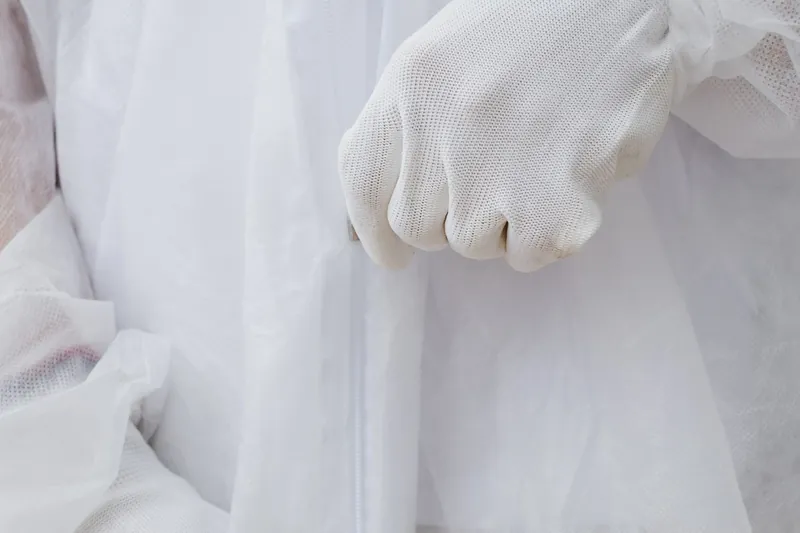
Protective equipment and work zones are matched to animal waste, sharps, unstable piles and contaminated materials so they are not carried into clean areas.
Unmarked vehicles are used when crews arrive. To avoid drawing unnecessary notice, crews can carefully position work zones and organize how bags are loaded.
Animal hoarding clean up can be needed if ordinary methods cannot safely or completely address the waste and accumulation, or if facing the work is emotionally unmanageable. Common examples are:
The actual extent of affected areas stays hidden when waste, crates and personal items close off paths to bedrooms, bathrooms, utilities or doors.
Documentation, removal and cleaning of affected contents can begin for the estate, owner or tenant after property access and personal property choices are settled.
Once the live animals are safe, cages, soiled litter, urine, feces and damaged contents remain for carefully planned cleaning.
Animal control, a housing office or another local authority has given directions that must be understood before contents or evidence are moved.
Before cleanup, secure every animal, verify your right to enter and keep the contaminated space separated. Begin with these precautions for your safety and the protection of belongings and animals:
Call (888) 440-9227Published pricing guides list animal waste cleanup from $500 to $8,000. A separate guide lists $500 to $5,000. Biohazard handling inside a hoarded home is listed at $1,500 to $5,000. These are planning ranges, not a quote. The amount of waste, buildup time, affected materials, odor work and waste disposal determine the scope for your property.
These national ranges are taken from published cost guides, rather than a property visit. After an on-site assessment, the price for your property is determined and shared with you before cleanup begins.
Ask about cost: (888) 440-9227Insurance coverage for animal hoarding cleanup is not automatic. The cause of the damage, policy language, responsibility for the property and the portions of cleaning accepted by the insurance company all affect payment.
Whoever represents the estate should confirm the person allowed to approve payment, item sorting and removal. Before the cleanup service removes affected contents, valuable documents and keepsakes need placement in a separate area.
Find out whether a defined event qualifies for coverage and how the policy addresses animal waste, gradual damage, maintenance work, contents removal and odor control.
When requesting insurance assistance, ask about the cause of loss, needed documentation and photos, structural repairs versus waste removal and the deductible's effect. Save all receipts and the work scope.
The lease, documented property condition and local requirements can affect who arranges and pays. Before moving personal property, the owner and tenant should agree on who has authority and access.
Although the exact work changes with the conditions, the complete cleanup usually follows an established safety order. Animal clearance and hazard assessment come before sorting, removal and cleaning, with a final walkthrough at the end:
The person with authority makes sure live animals have reached safety and confirms the home is ready to enter. Every situation includes a property walkthrough to document waste, blocked access, odor sources, damaged items and agency directions.
The work area is isolated from clean rooms. Cleanup technicians plan where contaminated materials will exit and select protective gear suited to the hazards, avoiding belongings kept safe.
Records, photographs, medication, keys and keepsakes are placed in a protected decision area. Before anything is removed, you sort items into keep, consider later, donation and disposal groups.
A controlled collection order applies when cleanup involves litter, loose animal waste, damaged cages, ruined contents and clutter you approve. Heavy bags are not dragged through clean rooms.
After exposure, checks cover carpeting, padding, drywall, insulation, cabinetry and the subfloor. If a material cannot be cleaned completely, it may need removal according to the waste rules that apply.
Exposed hard surfaces are cleaned before disinfection. For needed disinfection, the surface remains wet with an EPA-registered product throughout the contact period shown on the label.
Removal begins with feces, urine and affected porous material. HEPA vacuuming, air scrubbers and targeted treatment can then address particles and odor that remain.
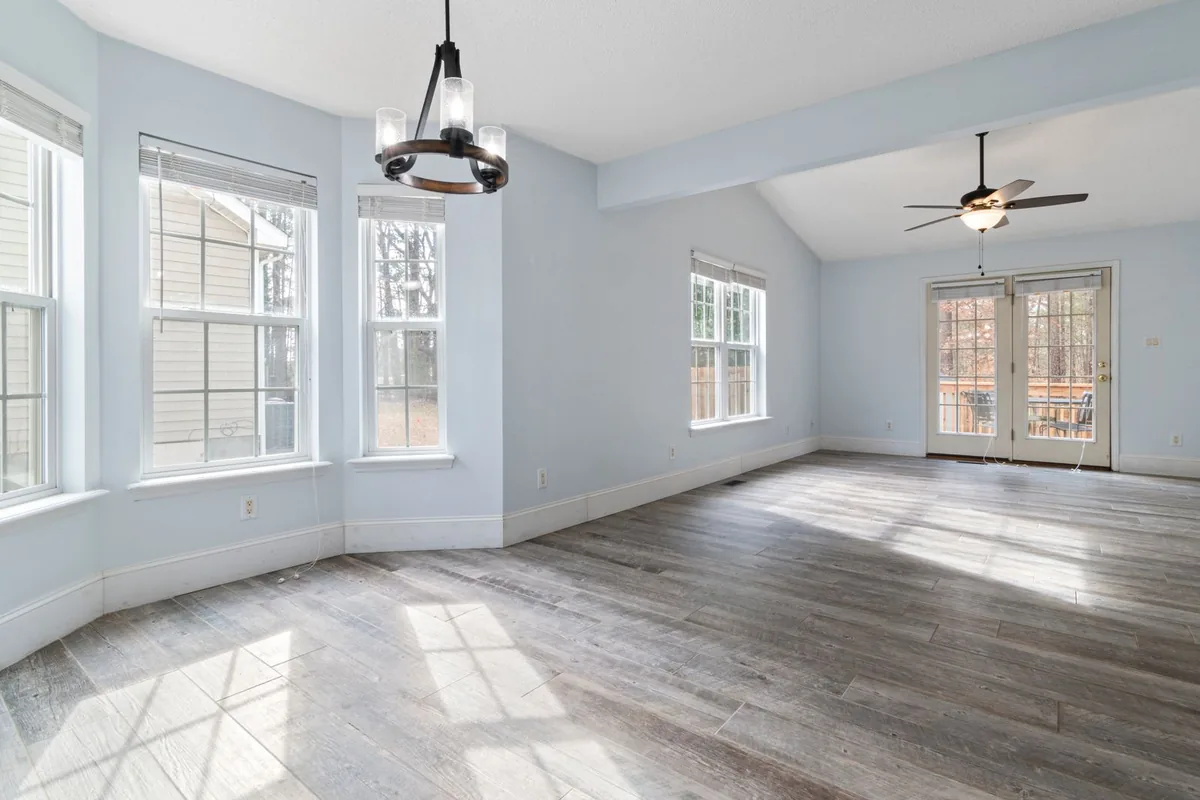
Your final inspection covers the cleaned areas, belongings kept and materials removed. Any remaining pest work, structural repair, flooring replacement or other restoration services are identified separately.
You can call anytime. Your animal hoarding cleanup specialist answers the phone, describes what happens next and works with you on a start time.
The buildup of animal waste can create exposure to pests, germs, airborne particles and ammonia that causes irritation. Enclosed rooms may carry greater risk, and walking conditions can also become unsafe.
Concern about the animals and the home's condition may feel distressing. Setting aside a protected keepsake area and writing the sorting process lets you consider personal property at a measured pace. A structured approach helps you move forward through each area in turn.
Contact with animal feces may transfer microorganisms to nearby surfaces, footwear or your hands. A dry broom can send dust into the air. Serious health concerns may accompany major buildup, so collect the waste in a way that keeps contamination out of clean rooms.
Strong odors from concentrated urine may irritate your eyes and airways. Strong odor can indicate urine penetration into concealed porous materials that cannot be restored by cleaning only the surface.
Can you clean it yourself? You may use gloves and an appropriate cleaner for a recent, limited pet accident on a sealed surface that is not porous. If the area requires disinfection, observe every label direction and the full contact time for the EPA-registered disinfectant. Seek professional cleanup when waste covers a large area, has soaked into porous materials, is mixed with sharps or clutter, or the air causes irritation.
Whether something can stay depends on its condition and how contamination affected it. No safely reviewable personal belonging is removed without your approval.
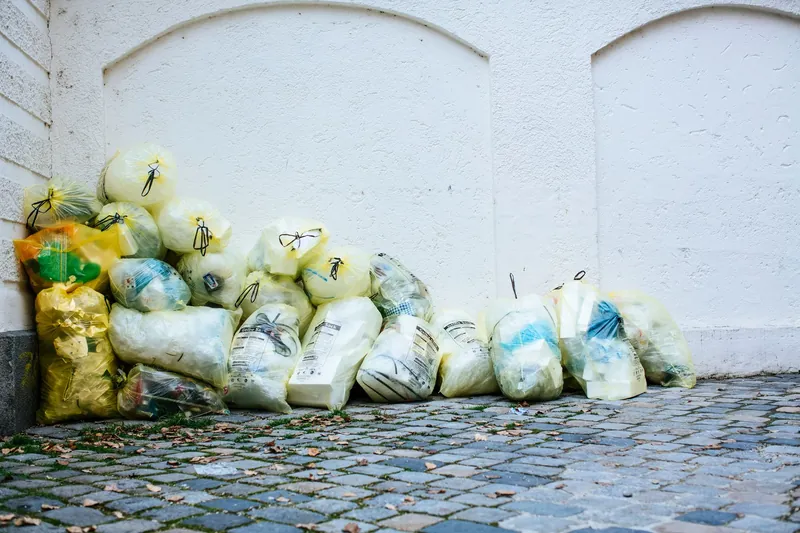
One small affected area may take a day to clean, while animal hoarding work across multiple rooms may last several days. More time can be necessary throughout a home when blocked access, property decisions, contaminated building materials or later repairs add to the work.
| Scene | Typical time on site |
|---|---|
| One limited area with clear access | May take about one day |
| Multiple rooms that require sanitation and item decisions | May take several days |
| Whole-home cleanup involving material removal and repairs | Timing is set after assessment |
Effective odor removal for an animal hoarding property begins by taking out its sources. Smell may remain in feces, litter and materials saturated with urine, including carpet, pad, drywall, cabinetry and subfloor. Fragrance only masks odor for a short time. It neither cleans the affected space nor removes contaminated material.
After source removal, hard surfaces are cleaned and disinfected where needed. HEPA vacuuming and air scrubbers can reduce particles during professional cleanup. Hidden contamination should be checked when odor remains near wall edges, floor seams, cabinets or vents. Ozone, if used, requires an empty controlled space and careful operation, so people and animals should not be present during treatment.
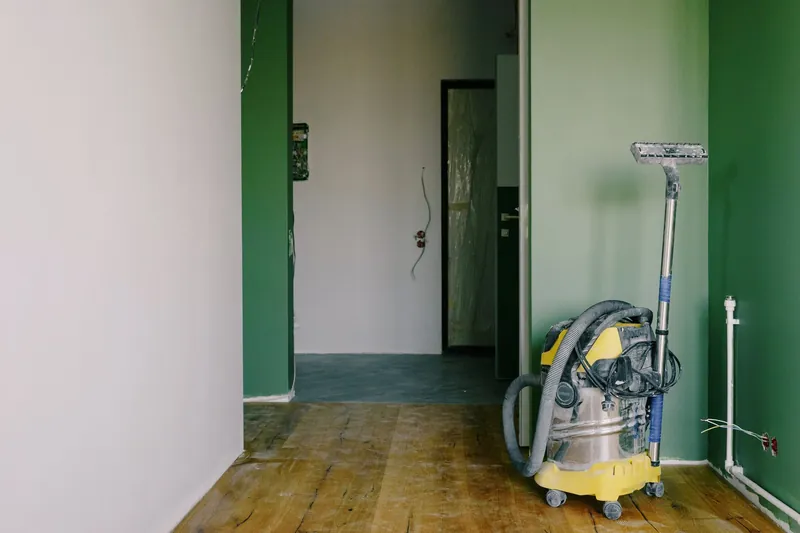
The full animal hoarding cleanup guide covers what is cleaned or removed, odor and air quality work, and the rules that apply in Oklahoma and Oklahoma County.
Read the full animal hoarding cleanup guideLocal housing, population and access details can shape containment, access and cleanup planning.
If direct exposure occurs, the closest listed emergency option is O U Medical Center, about 1.3 miles away, not the cleanup site.
The location sits near Barrows, Northeast Highland, and Madison Park, making local landmarks helpful when a property entrance is hard to find.
A neighborhood address can differ from its broader city label, making the full street and unit information important for discreet cleanup access.
During your call, ask whether cleanup is available in surrounding communities and ZIP codes.
Hoarding cleanup combines respectful sorting, removal and deep cleaning.
See hoarding cleanup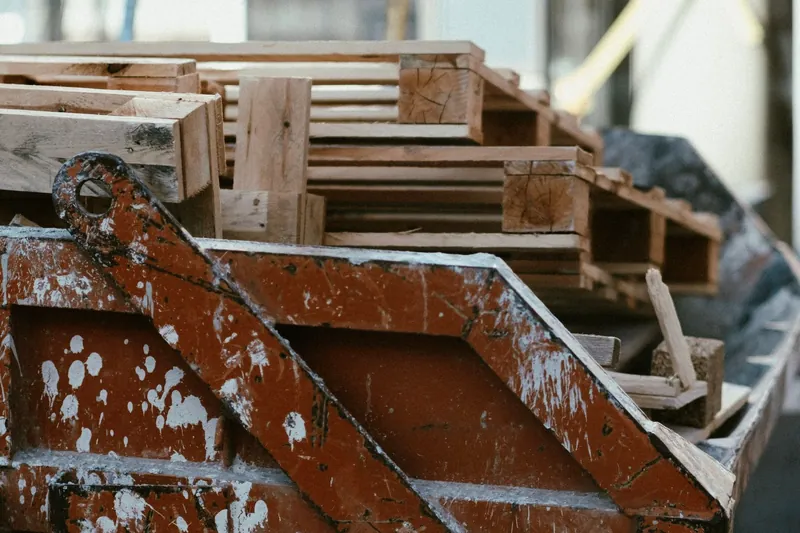
Hoarder house cleanout from the first room to the last, with trash hauled away.
See hoarder house cleanout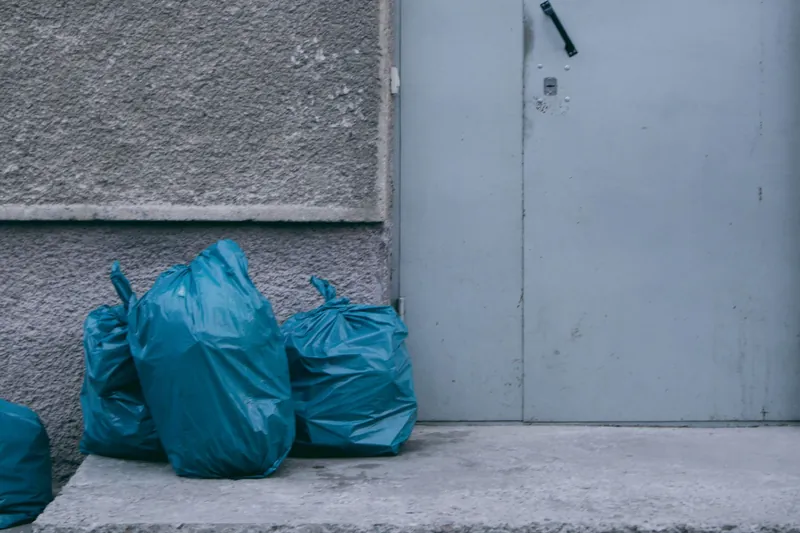
Filth and squalor cleanup for homes that have become unsafe to live in.
See filth and squalor cleanup
Removal and disinfection of blood, body fluids and other infectious material from any property.
See biohazard cleanup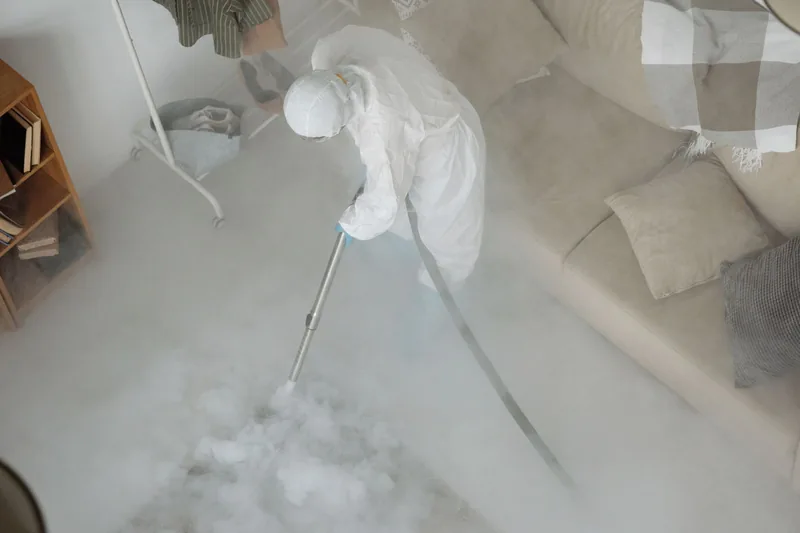
Full decontamination of rooms, surfaces and air after infectious or hazardous exposure.
See biohazard decontamination
Rentals, residences and public bathrooms receive human feces cleanup and disinfection.
See human feces cleanup
For furnishings, flooring and subfloors, urine cleanup includes odor removal.
See urine cleanup
Air scrubbers, hydroxyl and ozone treatment support death odor removal at its source.
See death odor removalBefore entering, settle animal custody, confirm access authority and understand instructions issued by housing officials or animal control. Keep children and pets away from affected rooms. Do not sweep feces or move unstable piles. Identify every record, medication, photograph and valuable that should be recovered. Describe exit blockages, odor, pests, sharp objects and apparent structural damage prior to the assessment.
Animal control is not required for every property, but living animals must be safe before cleanup begins. Existing involvement by an agency, court or law enforcement means you need to confirm access and act according to official guidance. Cleanup workers do not decide ownership or custody. Cages, paperwork and affected contents should remain in place until those issues are decided.
About a day may be needed when access to a small area is open, compared with several days for multiple rooms. Full-house work may need more time. The schedule varies based on access blockages, sorting needs, waste quantity, concealed contamination, removal of materials, odor work and necessary repairs. The projected timeline should treat cleaning and subsequent floor or wall restoration as separate stages.
The policy terms and source of the damage determine coverage. A policy may distinguish damage developing over time, normal cleaning, removal of contents and another event that qualifies for coverage. Find out from the insurance company which loss cause applies, what records to submit, how repair differs from waste removal and how your deductible changes payment.
Because animal feces may carry microorganisms, treat the waste as contaminated, particularly after buildup, drying into dust or contact with urine, litter and pests. Avoid getting the waste on skin, shoes or clean surfaces. Leave dry debris unswept throughout a heavily affected area. Controlled cleaning and removal are appropriate for extensive waste or contamination absorbed by porous materials.
Often, as long as the source is located first. Surface cleaning may not reach urine in carpet padding, subfloor, drywall or cabinets. Removal may be necessary for material that cleaning cannot restore. Once odor sources are gone, cleaning can address hard surfaces and focused air quality treatment may start. Odor that returns usually means a hidden affected area still needs attention.
You can request respectful, discreet animal hoarding cleanup 24 hours a day, and crews use unmarked vehicles.